Showing posts with label Fitness. Show all posts

5 exercises to eliminate fat using the home wall

 5 exercises to eliminate fat using the home wall

5 exercises to eliminate fat using the home wall


Do you spend your time in a chair in front of your computer screen? My dear, you can’t even imagine the hidden harm that comes from this sitting position. Weight gain, lower back problems and joint pain are at the top of the list. To treat this problem, physical training is essential. Just a few minutes a day will be enough to change the situation!

A sedentary lifestyle is the scourge of the century that affects many people. In fact, it is the sworn enemy of your health, as it can lead to obesity, cardiovascular diseases, muscle disorders and even anxiety. This is also one of the big concerns when it comes to weight. How to fight stubborn and persistent belly fat? There is no mystery: without a regular physical routine, you will not win this war. But with a little goodwill, determination and perseverance, you will be able to burn that annoying fat faster than expected! Need a little help? These wall exercises will change your life.

Working Time: 5 Effective Wall Exercises to Burn Belly Fat

For some people, and maybe you, wall exercises are more manageable because they provide support that other exercises don’t. Either way, to burn belly fat, this is the perfect exercise!

Chair Exercise

Oh, that’s good, I’ve been there! So take a break for a few minutes, stop what you’re doing and put your chair to good use for once. Know that this exercise is excellent for strengthening your abs and losing excess belly fat. It will allow you to squeeze your lower abs, which will help burn stubborn fat.

Stand up straight with your back against a wall.
Now slide down, push your legs forward and bend them.
Your thighs should be parallel to the floor and your feet should be pressed into the ground.
Hold this position for at least 30 seconds to reap its benefits. You can gradually increase the duration.

Legs on the wall


Come on, get out your mat and lie down facing the wall. This exercise is not complicated at all: it will put pressure on your waist and abdomen. In addition, it activates your muscles and increases your fat burning capacity. A very good way to get rid of unwanted bulges.

As in the picture, lie on your back with your legs straight against the wall.

Hold this position for 5 to 20 minutes, depending on your ability.

Then slowly lower your legs and return to your normal position.

Wall Push-Ups


It may be a little daunting at first, but you’ll eventually get the hang of it! It’s a great exercise that works your chest and core, while activating your muscles. As a bonus, these pumps will increase your fat burning capacity, making it easier to burn.

Stand facing a wall with your back straight. Next, place both hands on the wall with your arms extended.

From there, push your upper body forward with both hands and then back up as you would during a regular push-up.
Do at least 20 reps in 3 sets, then gradually increase the reps.

Wall Bridge

Whether it’s to strengthen your back or lose belly fat, the “wall bridge” is the ultimate weapon to reduce excess belly fat. It also helps eliminate fat in the upper abdominal area.

Lie on your back, and push your lower back towards the floor.

Then, place your feet on the wall and lift your hips to form a straight line from your knees to your shoulders.


Hold this position for 30 to 45 seconds before returning to the normal position.

Repeat this process at least 5 times to get results over the days.

Mountain Climber Pose


We finish the training with a basic phase. The benefit of exercising? It works both the abdominal muscles and the deep muscles. Come on, do more effort: this last phase is very intense, so do not give up and stay focused.

Get down on your knees with your feet facing the wall.
Raise your lower body, and raise your feet along the wall, until you form a line parallel to the ground, extending from your feet to your shoulders.
Now, one leg at a time, bring your knee towards your chest and return very carefully, and only after you have achieved your perfect balance.
Repeat the movement as many times as possible.
For a toned stomach, steel abs and an Olympic figure, this physical routine will meet all your expectations. So, stop being lazy and start working today!

The 10 key resolutions for a successful 2025

 The 10 key resolutions for a successful 2025

The 10 key resolutions for a successful 2025


Introduction:

The importance of professional resolutions: Highlight how setting clear goals can boost motivation, improve productivity, and promote professional growth.
The context of 2025: Highlight current job market trends and the most sought-after skills.
The approach of this article: Specify that the proposed resolutions are both ambitious and achievable, taking into account the challenges and opportunities of the year.
The body of the article:


10 detailed and concrete resolutions:


Develop new skills: Cite examples of skills to acquire according to sectors of activity (e.g. mastery of new tools, foreign languages, etc.).
Improve your communication: Support the importance of effective communication, both orally and in writing.
Strengthen your professional network: Propose concrete actions to expand your circle of contacts (participation in events, use of social networks, etc.).
Setting SMART goals: Explain the SMART method for setting clear, measurable, achievable, realistic and time-bound goals.
Managing your time effectively: Providing advice on how to optimise your organisation and productivity.
Taking care of your mental health: Emphasising the importance of work-life balance and suggesting practices to reduce stress.
Getting out of your comfort zone: Encouraging you to take on new challenges and take initiatives.
Developing your leadership: Providing ideas on how to strengthen your leadership skills and inspire others.
Adapting to change: Emphasising agility and the ability to evolve in a constantly changing environment.
Finding a mentor: Explaining the benefits of having a mentor and how to find one.

Conclusion:

Summary of the main points: Recalling the 10 key resolutions and their importance.
Call to action: Encourage readers to set personalised goals and put a concrete action plan in place.
Optimism for the future: Emphasize that 2025 is a year full of promise and that these resolutions can contribute to professional and personal growth.
Additional tips:


Illustrate with examples: Use anecdotes or testimonials to make the article more lively.
Suggest additional resources: Cite books, articles or websites that can help readers delve deeper into certain topics.
Adapt the tone: The tone of the article can vary depending on the target audience (beginners, executives, etc.).
I can help you further develop certain parts of this article, such as:

Create a list of skills to acquire according to different sectors of activity.
Suggest tools and techniques to improve time management.
Give advice on finding a mentor.
Do not hesitate to contact me for any other request!

Would you like me to develop a particular point further?

17 Pilates Exercises for a Strong and Flexible Body

 17 Pilates Exercises for a Strong and Flexible Body

17 Pilates Exercises for a Strong and Flexible Body


Pilates, a gentle but effective fitness method, is renowned for deep muscle strengthening, improving posture and flexibility. Discover 17 key exercises to tone your body and feel stronger than ever.

Why choose Pilates?

Pilates stands out for its holistic approach to the body. It targets the deep muscles, often neglected during other physical activities. The benefits are numerous:


Muscle strengthening: The exercises gently work all the muscles, especially those of the trunk, essential for good stability.
Improved posture: Pilates corrects postural misalignments and promotes a more harmonious silhouette.
Increased flexibility: The stretches integrated into the exercises improve joint mobility and suppleness.
Stress reduction: Concentration on breathing and fluid movements contributes to deep relaxation.
The 17 Essential Exercises
The Hundred: A classic to strengthen the abdominals and improve breathing.
Roll-Up: This exercise targets the abs, hip flexors and back muscles.
Single Leg Stretch: Great for strengthening the lower abs and obliques.
Double Leg Stretch: A variation of the Single Leg Stretch for increased intensity.
Criss-Cross: This exercise works the obliques and deep abs.
Pelvic Curl: Strengthens the lower back and pelvic muscles.
Shoulder Bridge: Tones the glutes, hamstrings and lower back.
One Leg Circle: Improves stability and coordination.
Swimming: Strengthens the back, shoulders and glutes.
Hundred with Arms: A more dynamic version of the Hundred to increase intensity.
Side Kick: Tones the obliques and glutes.
Teaser: An advanced exercise that works the entire body.
Saw: Improves spinal flexibility and strengthens the abs.
Chest Lift: Opens the chest and stretches the back muscles.
Roll Over: A complete exercise that works the entire body.
Leg Circles: Improves flexibility in the hips and thighs.
Mermaid: Stretches the sides of the body and improves posture.
Tips for an Effective Practice
Breathing: Breathing is fundamental in Pilates. Inhale through the nose and exhale through the mouth while controlling the movement.
Concentration: Concentrate on each movement and feel the muscles working.
Regularity: Practice regularly to obtain lasting results.
Listen to your body: Do not force and stop if you feel pain.
To go further:

Tutorial videos: Many online videos will guide you in performing the exercises.
Group classes: Join a class to benefit from the advice of a qualified teacher.
Private lessons: If you prefer personalized follow-up, opt for private lessons.
Note: This article is intended to give you an overview of Pilates exercises. It is always recommended to consult a health professional before starting any new physical activity.


 Pilates, exercises, muscle strengthening, flexibility, posture, well-being, healthy body, health, fitness.

Would you like me to add specific information on a particular exercise or develop an aspect of Pilates?

Do not hesitate to contact me!


To strengthen your thighs here are 5 effective exercises

 To strengthen your thighs, here are 5 effective exercises.


To strengthen your thighs, here are 5 effective exercises.


Do you want to have firm, defined thighs with reduced fat? Certain exercises and physical activities help to tone this area of ​​the body. Women tend to store more easily in the thighs, so targeted exercises are more suitable. Mourad Bendjelloul, a sports coach, presented us with different effective exercises.


Small clarification which is important: if the bodybuilding exercises dedicated to the thighs remain quite similar whether for men or women, it should be remembered that we do not have the same reaction to muscular demands for reasons that we tend to forget. ! As for physiological, mechanical or hormonal changes.

Men secrete more testosterone than women, it is easier for them to gain muscle, because it is an anabolic hormone

Adipose cells (fat cells) are located in different areas: in women, fat reserves are located around the hips and thighs, particularly in anticipation of a possible pregnancy, while in men, they rather concern the abdomen

On average, men have greater muscle mass and density than women, which explains why women generally have less strength and power when performing similar exercises.'

These differences lead to choosing specific training programs and subjecting the body to different physical constraints depending on the objectives and gender.

And of course, without forgetting the pleasure: there is no need to force yourself to do physical activity just for the desired result! Maintaining the same motivation for months (or even years) before seeing the effects would be all the more difficult if the sport is done out of “obligation”.

How to strengthen your legs quickly?
In the list of the most effective sports for toning the muscles of the lower body, we unsurprisingly find jogging, cycling or RPM classes, and brisk walking. These activities help strengthen the main muscles of the legs, from the calves to the buttocks, including the thighs.

As for muscle strengthening exercises, we can cite the squat, lunges (weighted with loads or body weight), or even the pistol squat. Exercises with large ranges of motion will also help strengthen the entire leg muscles.

Strengthening the adductors: how to strengthen the inner thighs?


If you want to strengthen the inner thighs, you need to use the adductors. The muscles of the inner thighs are made up of 5 different muscles: the gracilis, the pectineus, the adductor longus, the adductor brevis, and the adductor major.


All exercises requiring them to be contracted will help tone the inner thighs, such as lunges, deadlifts, squats, or adductors using a dedicated machine in the gym. If you are in the gym, don't hesitate to ask the coaches for advice to discover other variations!

What exercises strengthen the thighs the most?


Exercise to shape the quadriceps with a chair
The starting position: you invent an invisible chair. “With your back to a wall, quietly at home, you bend your legs as if you were on a chair,” explains Mourad Bendjelloul, sports coach.

The correct movement: "The leg is bent so as to make a 90° angle. We keep our back straight against the wall, we do not use our hands to keep our balance. It's all in the strength of our legs!”, explains the specialist. The ideal is to hold for one minute and do 3 repetitions.


How many HIIT sessions should you do each week?

 How many HIIT sessions should you do each week?

How many HIIT sessions should you do each week


How many HIIT sessions should you do each week to get the most out of it without risking burnout?

HIIT, or high-intensity interval training, has become increasingly popular in recent years due to its health and fitness benefits. This intense form of exercise alternates periods of maximum effort with periods of active recovery. 


But how many HIIT sessions should you do each week to get the most out of it without risking burnout or injury? Here are the recommendations, pros and cons of too much HIIT.

Benefits of HIIT

HIIT has many health and fitness benefits. It is ideal for people who have a busy schedule, as it allows you to complete an effective workout in a short time. Here are some of the main benefits of HIIT:

Improved cardiovascular health

HIIT sessions intensely use the cardiovascular system, which improves the health of the heart and blood vessels. Studies have shown that HIIT can increase aerobic capacity, reduce blood pressure and improve heart function.

Abdominal fat reduction

HIIT is particularly effective for burning fat, especially abdominal fat. Intense workouts increase metabolism and promote fat burning, which can help reduce unwanted belly fat.

Maintaining muscle mass

Unlike certain types of cardiovascular exercises, HIIT allows you to maintain and even develop muscle mass. HIIT sessions often include resistance exercises, which stimulates muscle growth and helps prevent age-related muscle loss.

Burn calories after workout

One of the unique benefits of HIIT is the afterburn effect, also called EPOC (Excess Post-Exercise Oxygen Consumption). After an intense HIIT session, the body continues to burn calories for several hours, even when resting. This means your metabolism stays high after training, which promotes weight loss.

Ideal frequency of HIIT sessions

Now that we've looked at the benefits of HIIT, it's time to determine the ideal workout frequency. It is important to find a balance between HIIT sessions and recovery periods to avoid exhaustion and injury. Here are the recommendations:

Rest between HIIT sessions

According to experts, it is recommended to allow at least 24 hours of rest between HIIT sessions. This allows your body to recover and repair itself after intense exercise. Not allowing enough recovery time can lead to excessive fatigue, prolonged soreness, fitness plateaus and hormonal imbalances.

Number of HIIT sessions per week

Recommendations vary depending on each person's fitness level, individual goals and recovery capacity. However, most experts agree that two to three HIIT sessions per week are enough for most people.

It is also important to combine HIIT sessions with other forms of exercise to achieve a balanced training program. Also incorporate strength training sessions and active recovery periods, such as walking or yoga, into your training week.

The risks of too much HIIT

Although HIIT has many benefits, it's important not to overdo it. Too much HIIT can lead to excessive fatigue, injury, and hormonal imbalance. Here are some risks to consider:

Excessive fatigue

Doing too many HIIT sessions without allowing enough recovery time can cause you to become physically and mentally exhausted. Your body needs time to recover and rest after strenuous exercise, otherwise you risk feeling constantly tired.

Risk of injury

HIIT is an intense workout that puts a lot of strain on your muscles and joints. If you don't give your body time to recover between sessions, you increase the risk of injuries, such as sprains, muscle strains and stress fractures.

Hormonal imbalance

The intense effort of HIIT can cause the release of cortisol, a stress hormone. Cortisol is important for regulating metabolism, but excess cortisol can lead to hormonal imbalances, sleep disturbances, mood changes and an increased risk of disease.


HIIT is a great way to improve cardiovascular health, burn calories and maintain muscle mass. However, it is important to follow the recommendations for frequency of HIIT sessions to avoid exhaustion and injury.


In general, it is recommended to do two to three HIIT sessions per week, allowing at least 24 hours of rest between sessions. Also combine HIIT with other forms of exercise, like strength training and active recovery, to achieve a balanced training program.

Remember to listen to your body and take extra days off if you feel exhausted or experience pain. HIIT can be a great workout option, but it's important to find a balance that works for you.

Now that you have a better understanding of the ideal frequency of HIIT sessions, you can plan your training program accordingly. Remember to consult a healthcare professional or personal trainer if you have any specific health concerns or issues before starting any new exercise program.

Take care of yourself and enjoy the benefits of HIIT for your health and fitness!


8 exercises for your lower abs

 8 exercises for your lower abs


8 exercises for your lower abs


Are you tired of your belly and your love handles? It's no secret that it requires a little exercise, especially for the lower abdominals. 

So, yes, some traditional exercises like sit-ups or cycling are good for toning the upper core, but they don't target the lower muscles, so they are not good for toning the stomach. 

But don't worry, with the following steps you can get rid of constipation in no time! The key to having a strong stomach is to stimulate the legs and the mind. Tell yourself that every time you move your legs, you are engaging your lower abdominals. Unfortunately, when training, focus more on the abdominal muscles.

Don't say it's too stretchy, because the lower abdomen attracts a lot of attention. For best results, you should focus on your lower abdominal muscles and contract them with each movement. To do this, you must concentrate on the position of the classic plane: you must learn to master it, because most of the movements are there.

Here are 8 exercises to improve your lower abs.


It only takes a few minutes a day to strengthen your core, build your core, and shape your core. You should always follow good physical habits. Here’s what we recommend you do in your training from now on. Stop being lazy and lying! Give yourself some motivation, sit comfortably in a quiet corner of the house and give yourself time to work your lower abs.

  floor plan For this excellent exercise, the results will be better if you use dumbbells. In addition to toning your abs, it's a great way to improve posture and balance, as well as tone your entire body. It must be held flat. Equip yourself with dumbbells or kettlebells. Lift the weight of one arm and slowly lower it. Do the same with the other hand. Try to do 10 to 15 repetitions with each arm.

Walking on all fours

Yes, the idea is new and interesting, but you cannot imagine the benefits of this activity. Plus, walking on all fours is so much fun that there's no need to strain... Lie on all fours with your hands on the floor. Get on your hands and feet and move forward. When you reach a certain point (for example at the back of the room), return to the starting position, on all fours, lying on your back. Do this for 1 minute.

mountain climber

To stimulate the lower abs, you can trust this exercise. This is a climbing simulation, so it's quite physical. Raising your knees with your arms outstretched uses the entire lower part of your abdominal muscles.

For this exercise, you need to get into a plank position.
Straighten your left knee toward your chest, then return it to the starting position and do the same with the other knee. Pretend you are simulating a climbing movement.
Count up to 30 movements between both legs.

Operation Commando

A more fun variation of the classic board, this commando board is hyper dynamic and recalls the movement of soldiers when they move on the ground. To strengthen the lower abs and lower abdomen, this is a cutting-edge exercise.
Get into a classic plank position (resting your forearms on the floor).
Move forward, leaning on your forearms.
Return to the starting position by shuffling backwards.
Perform 5 to 10 repetitions.

C-curve

Very common in Pilates, the concept of the “C curve” helps balance the C spine. This is an excellent posture for supporting the joints, shaping the abdomen and relieving back pain.

Sit on a mat or the floor. Support yourself on the soles of your feet.
Grasp your inner thighs, below your knees, with your hands and lean back.
Return to the starting position.
Perform 5 and 10 repetitions.

Sit-up with raised legs


The sit-up is undoubtedly one of the most famous exercises for targeting abdominal muscle training. Thus, it promotes good lumbar stability, boosts the arms and legs, while strengthening the abs of the lower abdomen.

Lie on your back and raise both legs.
Place your hands behind your head and do an abdominal bend.
Return to the starting position.
Perform 10 and 15 repetitions.

X Crunch: hip lift

Do you dream of having “chocolate bars” and putting an end to unsightly bulges? Discover right away one of the best exercises to target the oblique muscles nestled on the side of the waist. To strengthen your abs, this is exactly what you needed.


Lie on your back, extend your arms above your head and open your legs. The idea is that your body forms an X on the floor.
Stand up and touch your left foot with your right hand.
Return to the starting position.
Do the same thing, but with the opposite arm and foot.
Perform 10 to 15 repetitions on each side.

Scissor exercise

Timeless and still popular, the famous scissor footwork is renowned for balancing the abdominal muscles and for engaging the abdominals, particularly the lower part.

Lie on your back. Place your arms alongside your body, palms facing the floor.
Raise your legs a few centimeters, keeping them straight.
Then move your right leg to the left and vice versa, crossing your feet.
Perform 10 and 15 repetitions.
See, it wasn't that complicated, was it? Come on, we're counting on you to establish this physical routine in your daily life... And, trust us, in a few weeks, you'll say thank you!

5 natural actions to relieve restless legs syndrome

 5 natural actions to relieve restless legs syndrome

5 natural actions to relieve restless legs syndrome


Do you ever feel an uncontrollable urge to move your legs or experience feelings of restlessness and discomfort when you are sitting, resting or lying down? That uncomfortable, itchy feeling in your legs that won't go away? You may be suffering from restless legs syndrome (RLS), a neurological disorder characterized by an irresistible urge to move your legs.

People with RLS know how debilitating the disease can be, but there is hope. In this blog post, we offer you 5 natural solutions that can reduce your symptoms and help you find peace of mind in your life. Keep reading to learn more about restless legs syndrome and these helpful home remedies, so you no longer suffer in silence!

1# Pay attention to your lifestyle.

A healthy diet rich in iron and magnesium can help minimize symptoms, as a deficiency of these nutrients is linked to this disorder. Regular exercise helps improve circulation and reduces stress hormones, which are considered possible triggers of RLS episodes. Additionally, avoiding stimulants like caffeine, nicotine, or alcohol can help minimize symptoms and improve sleep quality.

2# Yoga.

Yoga is another natural remedy that has been studied for its potential effectiveness in managing RLS symptoms. The combination of physical postures and breathing exercises helps reduce tension throughout the body while promoting relaxation and improving sleep quality.

Additionally, specific yoga poses can target different areas of the body associated with RLS. Such as those involving stretching and massaging the calf muscles or stretching the spine and other parts of the legs. Which can help alleviate sensations like cramps or itching that accompany restless legs syndrome.

3# Herbal remedies.

Several herbal remedies have also been suggested as alternative therapies to manage RLS symptomatology because they have calming effects on the nerves when taken regularly over a long period of time. Plants like:

Valerian Root and Passionflower: have sedative properties that can help promote relaxation while decreasing anxiety levels.
Chamomile: is known for its analgesic properties which soothe muscle pain.
Ginseng: improves circulation.
Lavender Oil: Not only acts as a sedative, but also has antispasmodic characteristics that relax tense muscles and thus relieve discomfort.
Skullcap: helps reduce stress.
Kava-kava: increases deep relaxation.
Lemon balm: calms nervousness while reducing agitation.
Hops: acts as a mild tranquilizer that releases nervous tension throughout the body.

4# Acupuncture.

Acupuncture has been shown to be helpful in treating sleep disorders, including restless legs syndrome. Due to its ability to regulate the levels of hormones associated with the stress response, thereby reducing the general feeling of restlessness and relieving distressing symptoms such as pain or insomnia caused by this condition.


This therapy works by targeting specific points in our body that are connected to the nerve pathways responsible for controlling our entire nervous system. Balance can thus be restored, which reduces the negative sensations linked to episodes of RLS.

5# The spa treatment.

Thermal treatments offer an accessible solution to relieve it. Spa treatments such as massage and reflexology are known to help improve blood circulation, which is considered a key factor in reducing RLS symptoms. These techniques relax the muscles and tendons around the calves, which helps reduce leg discomfort.

Additionally, the natural environment of spas, including aromatherapy and soothing music, can help RLS sufferers ease their anxieties related to the disease. Thanks to regular spa sessions tailored to the treatment of RLS, many people have noticed a considerable improvement in their quality of life.

5 daily exercises 15 minutes to strengthen tone and lift the buttocks

 5 daily exercises 15 minutes to strengthen tone and lift the buttocks

5 daily exercises 15 minutes to strengthen tone and lift the buttocks

Come on, it's decided, new resolution: you're finally going to roll up your sleeves to firm up that flabby, flabby butt. No more orange peel skin and chubby appearance that spoil your figure! It's high time to tone your gluteal muscles to have a nice firm and plump effect. In addition, apart from the aesthetic side, strengthening your buttocks will have benefits on your health.

If you follow this workout carefully, you will be able to maintain hip balance, correct your posture, prevent or reduce back pain and perform your daily tasks without worry. 

Who says better ? So, don't worry, there are no constraints on the horizon. No need to leave your home or get sophisticated equipment (apart from a mat and dumbbells). At home, give yourself just 15 minutes a day to perform these 5 formidable exercises to sculpt and tone your butt. A little good will and...

Single leg deadlift

This strength training exercise is excellent for working all the muscles of the posterior chain of the body. It skillfully mobilizes the hamstrings and glutes. With dumbbells, it's even better, to gain power and strengthen your arms at the same time. By chaining muscle contractions and relaxations, you improve flexibility and posture, while strengthening your posterior.

Stand with your feet hip-width apart, holding a dumbbell in each hand.
Stretch one leg back while leaning sharply forward until your body is parallel to the floor, extending your arms toward the floor.
Return to the starting position.
Do 12 to 20 repetitions with each leg.

Sumo Squat

How to properly work your inner thighs and tone your gluteal muscles? Thanks to “Sumo Squats”, of course! This exercise, very popular with athletes and running enthusiasts, has the advantage of stimulating the entire lower part of the body in a single movement. While a traditional squat keeps your stance closer and your feet pointed straight ahead or slightly angled, the sumo squat requires a wider stance with your feet facing outward. Therefore, this creates a new challenge for your muscles, as the position of your feet changes your base of support.

Stand with your feet slightly wider than hip-width apart and turn your feet outward.
Keeping your hands together in front of your chest, push your hips down and back to squat.
Your weight should be on your heels and your toes should be able to move freely. Be sure to keep your chest high and your back straight.
Return to the initial standing position.
Perform 10 repetitions.

Bulgarian squat

This exercise, also commonly called “Bulgarian lunge”, is known for strengthening the glutes, quadriceps and hamstrings. It will also allow you to work your abs. Not only will this help you develop a strong lower body, but you will also work your back muscles.

Take a split stance with your right foot forward and your left foot elevated on a bench behind you.
Hold a dumbbell in each hand, elbows close to your body.
Inhale and lower your left knee (back knee) toward the floor while keeping your torso straight.
Exhale and push the right foot (front foot) toward the floor to return to the starting position.
Perform 10 reps, then switch legs. Then do three sets with each leg.

Gluteal bridge

Ideal for strengthening all the muscles that fit into the pelvis, this exercise is suitable for all training levels. The must: it has the ability to reduce possible lower back pain. If you want to intensify the effects, you can do so by holding an elastic resistance band between your thighs or using a dumbbell.

Lie on your back, bend your knees and keep your feet flat on the floor.
Lift your hips off the floor: make sure your body can form a straight line between your shoulders and knees.
Pause while you are in this position, then slowly lower your body back to the floor.
Perform 2 sets of 12 seconds.


Side lunge

Finally, we close the series with this super effective exercise for having concrete buttocks and sculpting the legs. These movements are perfect for activating and toning the adductors, hamstrings and quadriceps.

Stand with your feet shoulder-width apart and your arms at your sides.
Placing your weight on your right foot, step back and turn with your left foot, almost as if you're leaning, allowing your arms to come in front of you in a comfortable position. Make sure your chest remains straight.
Begin to straighten your right leg, pushing through the heel and returning your left foot to the starting position.
Do 10 repetitions on each side.
And there you have it, you’ve arrived! You see, it wasn’t a breeze. Come on, now, we don't stop there: we keep the rhythm and consistency. You still have to hang on for a few more weeks to see stunning results!

5 exercises to lift your butt

 5 exercises to lift your butt

5 exercises to lift your butt


Although genetics play an important role in your physical build, you have plenty of means to change the situation if you are not satisfied with your figure. Are you over 40 and dreaming of having a nicely firm and shapely butt? Hop, all you need to do is follow a daily workout to give yourself buttocks of steel. 

Without even leaving the house!
Say goodbye to cellulite and sagging skin, thanks to this series of 5 exercises, you will be able to lift, tone and strengthen your posterior in just a few weeks. A routine to adopt today!

Donkey kick

We start with this fairly physical exercise, but excellent for working the buttocks, core and hamstrings. It greatly helps in strengthening muscles and improving flexibility. And that's not all: donkey kicks also boost hip mobility, consolidate spinal stability and improve balance. Whether you want to increase your muscle tone or stimulate cardiovascular endurance, we strongly advise you to perform leg kicks as often as possible.

Get on all fours and place your hands shoulder-width apart, with your knees extended just below your hips.
Keep the knee of the rising leg bent at 90° and raise the leg until it is at hip height.
Lower your knee almost to the ground, but before it even touches the ground, repeat the previous movement and bring it back up.
Perform 20 repetitions of each, 3 sets. Once you have completed the reps with one leg, switch to the other leg.

Bodyweight squat

A bodyweight squat helps strengthen and tone the muscles of the buttocks and thighs. Ideally, if you combine it with a boxing session, you will be able to perform more agile and flexible movements, but also gain balance for a low-impact performance.

Start with your feet slightly wider than shoulder-width apart and your arms at your sides.
Get into a squat position, making sure your chest is up, your butt back, and your knees out.
Return to the starting position and, when your legs are straight, deliver a crossover punch with each arm.
Repeat 20 times for 3 sets.

Bulgarian squat

The use of a chair or bench is essential for this bodybuilding exercise. Concretely, the Bulgarian squat is a lunge with the rear foot elevated. Not only is it exceptional for strengthening the glutes, but it is also a valuable ally for working the quadriceps and hamstrings. We might as well warn you, this is a demanding exercise that requires a lot of effort, but it is worth it. You will be 100% satisfied!

Place one foot on the floor and the other on a bench or chair about 50 centimeters high.
This height can vary depending on your comfort, but the idea is for the knee to be bent at an angle greater than 90°.
To begin the exercise, make sure your torso is straight.
Perform 20 repetitions on each leg for 3 sets.

Leg extension

How to burn the fat that sticks to your butt faster? Thanks to this super effective exercise which targets all the lower muscles. As a bonus, it prevents injuries caused by imbalance, improves physical performance, corrects posture and increases agility.

Get into a squatting position with your hands and knees extended toward the floor.
As you raise one leg, pull it inward to form a 90° angle with the other leg. Keep your knee bent.
Slowly lower your leg. Make sure your knee is off the ground before raising it. Repeat the exercise on the other side.
Perform 15 repetitions for 3 sets.

Glute Bridge

Are you looking for the best way to tone your posterior? Here is your lethal weapon. Gluteal bridges are known for sculpting the buttocks, because they target the three muscles that make them up: the gluteus maximus, the gluteus medius and the gluteus minimus. They also help stretch the hamstrings and release tension. The key to this exercise is to achieve full extension while keeping your shoulders on the ground.


Lie on your back with your knees bent and your feet flat on the floor, a few inches from your butt.
With your arms at your sides or raised in front of you (palms together), get into a bridge position by lifting your hips off the ground. Keep your shoulders firm, your hips square, and your body in a straight line from neck to knees.
Hold the bridge position for two breaths before lowering your hips back to the floor.
Perform 3 sets of 10 repetitions.
If you are conscientious and regular, arming yourself with a little good will and determination, thanks to this cutting-edge workout, you will achieve your goals in no time...and your butt will be sculpted like never before!


The spirit of success: the 5 best rules in the world

 The spirit of success: the 5 best rules in the world


The spirit of success: the 5 best rules in the world


Do you dream of a successful life? Do you long for the freedom and power that comes with this success? If so, it’s time to make some changes in your life. To help you on this journey, we want to share with you some expert words of wisdom on how to achieve real, lasting success. These five rules will be the keys to unlocking your potential and achieving greatness! So if success is one of your goals, read on and discover the spirit of success through these five best rules in the world!


Murphy's Law:

Murphy's Law is a phrase commonly used to warn of the potential consequences of overconfidence. It stems from the notion that anything that can go wrong will go wrong and illustrates how our expectations can lead to unexpected results. More specifically, Murphy's Law states that if you anticipate something with fear, there is a good chance it will happen; for example, if you worry about being late for an important meeting, you may get stuck in traffic or your train may be canceled.

This law emphasizes that we must remain vigilant in order to reduce our chances of making mistakes or failing in a given situation. Although Murphy's Law can be stated pessimistically, it also demonstrates that indulging in too much worry can add stress and anxiety to certain situations.

Kidlins Law:

Kidlins Law is a strategy intended to guide problem-solving techniques; it states that if you take the time to clarify your understanding of a problem, you will be halfway to the solution. For example, let's say you are facing conflict in your personal life. Before you react rashly or engage in destructive behavior, think about what happened and why it happened. This type of thinking is known as “kidlins law”: understanding the problem at its core can help you move toward solving it. This may seem like a simple philosophy, but actively undertaking this type of problem solving can yield significant results.

Gilbert's law:

Gilbert's Law states that if you don't know what to do, the best way to learn is to observe what others do. This approach can be particularly useful in the workplace, when colleagues come from different backgrounds and have different ways of approaching a task.

With Gilbert's Law, you gain insight to find solutions on your own by observing and taking notes on how others interpret instructions and complete tasks. Although it can be difficult to find the exact answer, keeping an eye on those around you can help you get the job done efficiently. By adapting this law to your daily work routine, you increase your chances of understanding the details of a particular project or assignment much faster than guesswork or trial and error would.

Walson's law:

Walson's Law states that when organizations or people prioritize their own intelligence and understanding, they are more likely to succeed. According to Walson, having knowledge at your fingertips allows you to gain an advantage in the market, whether it's a business executive negotiating a deal or an investor assessing upcoming trends . If decisions made based on the information you have come before all other actions, it is likely that you are operating at a higher level of success than your peers. This perspective has allowed many people to increase their wealth and grow their businesses, reinforcing the truth of Walson's Law: that by prioritizing insight above all else, money will follow.

Falkland's law:

Falkland's Law is an important rule of thumb to consider in everyday life. The idea behind this law is that sometimes it makes more sense to stick with the status quo than to make a decision. This basically means that if something is working and there is no incentive for you to make a change, don't do it.


It may be wise to pause, reflect, and consider the potential risks and pitfalls associated with any decision before blindly moving forward with a major change. Falkland's Law helps people take a step back from their current emotional state and take a breath to clear their heads and take time to reflect before taking an important step.

What are the benefits of a duo massage?

 What are the benefits of a duo massage?

What are the benefits of a duo massage?


Looking for a great way to relax and strengthen your bond with a loved one? Try the duo massage, an ancestral practice that is growing in popularity. Here are all the benefits you can get from it.


The emotional benefits

Duo massage is a therapeutic practice that promotes a deep sense of connection, love and overall happiness. The emotional benefits of this practice are as follows.

Strengthening emotional bonds

The duo massage is the ideal opportunity to reestablish a deep connection with your partner and strengthen the emotional bonds that unite you. The relaxation induced by massage releases endorphins, the happy hormones, which can lead to a feeling of lightness and shared happiness.

The shared experience of a calming moment can also strengthen communication and mutual understanding between partners.

Reduced stress and anxiety

When we are stressed, we tend to withdraw into ourselves. The duo massage offers a space conducive to mental relaxation. It effectively reduces cortisol production and allows participants to achieve a deep state of relaxation. As a result, this experience may have long-term beneficial effects and improve overall sleep quality.

In addition, the environment in which the duo massage is practiced also plays a crucial role. Aromatic oils, soft music and soft lighting help create a calming atmosphere. These combined elements intensify the sensory experience and contribute to total relaxation of body and mind.

To get the most out of the benefits of duo massage, it is more beneficial and safer to go to a professional wellness center. The trained practitioners and specially designed environment contribute to optimal relaxation for participants.

Physical benefits

When it comes to physical well-being, duo massage can help increase flexibility and joints. By working together on muscle relaxation, built-up tension can be released, which can have a positive impact on mobility and flexibility.


In addition, the duo massage promotes blood circulation. The regular and applied movements of the massage stimulate blood flow, thus facilitating a better supply of oxygen and essential nutrients to each part of the body.

Improved blood circulation helps eliminate toxins, promotes cell regeneration and can have positive effects on cardiovascular health. This improvement in blood flow can reduce the feeling of heavy legs and prevent the formation of blood clots.

The duo massage is an enriching experience that can be shared between partners, friends or family members. It’s a unique opportunity to get closer and enjoy a moment of relaxation. This shared experience can not only strengthen the bonds between partners, but also provide lasting benefits for everyone's overall well-being.

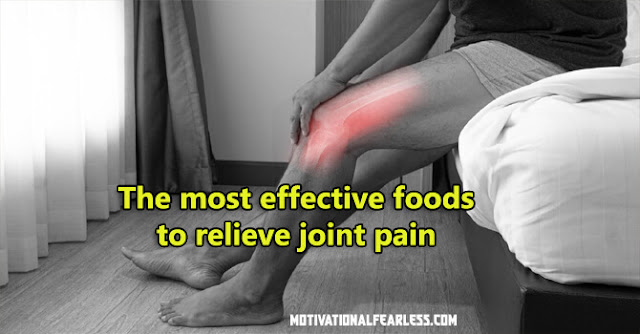
The most effective foods to relieve joint pain

 The most effective foods to relieve joint pain

The most effective foods to relieve joint pain


By choosing the right foods and avoiding those that can promote inflammation, you can help relieve your joint pain and improve your quality of life.

Joint pain can be extremely bothersome and significantly affect quality of life. If you suffer from chronic joint pain, you're probably looking for ways to relieve your symptoms without having to constantly take medication. The good news is that your diet could play a key role in managing your joint pain.

Here's how certain foods can help relieve joint pain, as well as which foods to avoid. We will also present you with a joint-friendly diet plan to help you manage your pain overall.

How diet affects joint health

Your diet can have a significant impact on the health of your joints. Certain substances found in foods can promote inflammation, while others have anti-inflammatory properties. Chronic inflammation is often associated with joint problems such as arthritis.

The goal is not to completely eliminate inflammation, as it plays an important role in healing and protecting the body from infection. However, reducing excess inflammation can help alleviate joint pain and improve your quality of life.

Foods to choose to relieve joint pain

Certain foods have anti-inflammatory properties and can help relieve joint pain. Here are six foods to include in your diet to help manage your symptoms:

Fish rich in omega-3: Fish like salmon, trout and mackerel are rich in omega-3 fatty acids, which have anti-inflammatory properties. Omega-3s can help reduce inflammation in joints and relieve pain. Try to include fish in your diet at least twice a week.

Cruciferous vegetables: Cruciferous vegetables such as broccoli, cauliflower and Brussels sprouts are rich in phytochemicals with anti-inflammatory properties. Try to include these vegetables in your meals regularly, whether in salads, soups or stir-fries.

Turmeric: Turmeric is a bright yellow spice commonly used in Indian cuisine. It contains curcumin, a compound with anti-inflammatory properties. You can add turmeric to your dishes or take curcumin supplements to help relieve joint pain.

Yogurt: Yogurt contains beneficial bacteria for gut health, which can help reduce inflammation throughout the body. Make sure you choose yogurts with live, active cultures to get all the benefits. You can also add fruit to your yogurt for added flavor and anti-inflammatory effects.

Ginger: Ginger has antioxidant and anti-inflammatory properties thanks to a compound called gingerol. Ginger has been shown to be effective in relieving joint pain in conditions such as osteoarthritis. You can add fresh or powdered ginger to your dishes, or even prepare a ginger infusion to benefit from it.

Green tea: Green tea is rich in polyphenolic compounds with anti-inflammatory effects. It can help reduce inflammation in the joints and relieve pain. Try to drink green tea regularly and preferably opt for certified organic varieties to avoid pesticides.

In addition to these specific foods, following an overall diet can help reduce inflammation and relieve joint pain. The Mediterranean diet, in particular, is known for its health benefits, including its ability to fight inflammation.

The Mediterranean diet is characterized by a high consumption of fruits, vegetables, legumes, unsaturated fats of plant origin, whole grains, nuts and seeds, fish and seafood, as well as regular use of herbs and spices. On the other hand, processed foods, red meat, refined grains, added sugars and dairy products are limited.

By following a Mediterranean diet, you can reduce inflammation in your body and potentially reduce your reliance on anti-inflammatory medications.

Foods to avoid to relieve joint pain

In addition to choosing the right foods, it is also important to avoid foods that can worsen joint inflammation and pain. Here are some foods to avoid or limit in your diet:

Added sugars: Added sugars, such as those found in soda, candy, and baked goods, can increase inflammation in the body. Limit your intake of added sugars and instead opt for natural sweeteners such as honey or fruit.

Refined grains: Refined grains, like white rice, pasta, and white bread, have a high glycemic index, which can increase inflammation. Instead, opt for whole grains, such as brown rice, whole-wheat pasta and whole-wheat bread.

Unhealthy fats: Saturated fats found in fried foods, fatty meats and full-fat dairy products can contribute to inflammation. Choose healthy fats such as olive oil, avocados and nuts to reduce inflammation.

Processed foods: Processed foods often contain inflammatory ingredients such as trans fats and chemical additives. Try to limit your intake of processed foods and opt for fresh, unprocessed foods whenever possible.

Next steps to relieve your joint pain
If you experience persistent joint pain despite dietary changes, it is important to consult a healthcare professional. Your doctor will be able to evaluate your symptoms and determine if there is an underlying condition that requires medical treatment.


In addition to your doctor, a dietitian can help you personalize your diet based on your specific needs. They can also help you identify possible food sensitivities or intolerances that could be contributing to inflammation.

It is essential to remember that diet cannot completely cure joint problems, but it can play an important role in managing symptoms. Combined with other treatment approaches, a healthy, balanced diet can help you live comfortably with your joint pain.

By choosing the right foods and avoiding those that can promote inflammation, you can help relieve your joint pain and improve your quality of life. Remember to consult a healthcare professional for personalized advice and appropriate follow-up. Take care of your joints and take steps to keep them healthy!

Weight loss: certain drinks make you eat more high-calorie foods

 Weight loss: certain drinks make you eat more high-calorie foods


Weight loss: certain drinks make you eat more high-calorie foods


Sweet drinks, alcoholic drinks, light drinks, coffee, tea... drinks have their own caloric content, but are also associated differently with calories from the rest of the diet. Some drinks “force you to eat high-calorie foods that you wouldn’t eat without them.”


This study provides an overview of the direct contribution of different drinks to caloric intake. Some drinks actually cause you to eat things you wouldn't otherwise eat and therefore increase your calorie intake. The data collected focuses on the associations between drinks and consumption of foods which have no nutritional necessity and are of high energy density. It covers no fewer than 22,513 adults from the National Health and Nutrition Examination Survey, conducted from 2003 to 2012.

Alcoholic drinks make you eat richer foods

The results show that alcoholic beverages lead the increase in energy intake associated with beverages, with 385 kcal/day, followed by sugary drinks (226 kcal/d), coffee (108 kcal/d) light drinks (69 kcal/day) and tea (64 kcal/day). For light drinks and coffee, this energy increase is greater than the intrinsic energy intake of the drinks, respectively 15 and 19 kcal/d. Consumers of light drinks and coffee have a higher caloric intake from food than those who consume sugary drinks.

choose your drink when you want to control your weight

This association between diet drinks and consuming more calories from high-calorie foods than consumers of sugary drinks should be interpreted with caution. It does not mean that it is better to consume sugary drinks, because even if the latter are less associated with taking rich foods, the sugar they provide is far from negligible. 


The consumption of light drinks, although harmful to health, compared to that of sugary drinks, is associated with a lower total caloric intake

What type of exercise is best for weight loss: endurance or intense?

 What type of exercise is best for weight loss: endurance or intense?

What type of exercise is best for weight loss: endurance or intense?

The question of what type of exercise is best for your health is the subject of much debate. Here is the answer.

There is much debate about which type of exercise is best for your health: aerobic or anaerobic. Aerobic exercise, such as walking, cycling or running, means you move your body, breathe faster and increase your blood flow. This is a level of activity that you can maintain for an extended period of time.

Can you pass the “speaking test?”

If you can comfortably hold a conversation while exercising, without speaking as if you weren't exercising at all, but being able to speak while slightly out of breath, you are at an aerobic level.

Anaerobic exercise, such as sprinting or weightlifting, is a short, intense activity that works you to your maximum, and cannot be sustained for long.

What is best for losing weight?

Both aerobic exercise and anaerobic exercise have benefits, and you should incorporate each into your routine. But if your primary concern is losing fat, anaerobic exercise is the best solution.

The science behind aerobics and anaerobics
The difference between aerobic and anaerobic exercise comes down to oxygen levels. In aerobic, or “oxygenated,” exercise, your muscles have enough oxygen to produce the energy needed for performance.
Anaerobic, or “oxygen-free,” exercise means that the oxygen demand is greater than the oxygen supply and you cannot provide the energy your body demands. This leads to lactate production and ultimately cessation of exercise.

Why Anaerobic Exercise is Better for Fat Loss

Aerobic exercise, or steady-state cardio, is performed at a steady, low to moderate pace. This type of exercise, which uses slow-twitch muscle fibers, is ideal for cardiovascular conditioning and improving muscular endurance. While it is generally believed that this type of low-intensity cardio is optimal for fat loss, you should think again. Although it uses a higher percentage of fat for energy compared to muscle glycogen, the total amount of energy burned at this level is lower than during anaerobic exercise for a given period of time.

This means that for most people, prolonged periods of aerobic exercise are necessary to achieve significant fat loss. This often results in a plateau. Anaerobic exercise in the form of high-intensity interval training (HIIT), where you alternate high-intensity intervals with recovery intervals, has been shown to be beneficial for several reasons.

Win time

First, you can complete an intense workout in a fraction of the time. If time is a constraint for you, a HIIT session is a great option. You'll exhaust your muscles and burn more calories than if you did continuous cardio in the same amount of time.

Burn more calories

Second, you'll burn more calories in that amount of time. Ultimately, the harder your workout, the more calories you burn. With HIIT, your calorie burn will be higher than if you just walked or cycled for the same amount of time.

Increase metabolism

Third, you will build muscle and increase your metabolism. HIIT requires your fast-twitch muscle fibers to engage in exercises like sprinting, plyometrics and weightlifting, which increase muscle size and strength. This means that you will activate the muscles to a greater degree, which in turn will speed up your metabolism, because muscle burns more calories than fat.

The afterburn effect

Fourth, you will feel the afterburn effect. The scientific name for the afterburn effect is excess post-exercise oxygen consumption (EPOC). EPOC is the amount of oxygen needed to return the body to its resting state. HIIT sessions stimulate a higher EPOC because you consume more oxygen during these sessions, which creates a larger deficit to replace after training. This means that you will continue to burn calories even after your HIIT session is over.

The disadvantages of HIIT

Although HIIT as an anaerobic exercise is beneficial for fat loss, it does have some drawbacks. The main drawback is that it is not suitable for everyone. You must have a basic level of fitness before you can perform HIIT safely and effectively. If you're new to exercise, exercise may be too strenuous for your body, especially your heart.


If you're able to do HIIT, exercises like plyometrics, sprinting, and weightlifting increase your risk of injury because these explosive movements are fast and require a lot of strength.
Finally, HIIT can be painful during the session, due to the high intensity, or afterwards, due to soreness.

HIIT workout

If you feel fit enough to try intense anaerobic exercise, try these sample HIIT workouts to burn maximum calories.

Sprints
Sprint all out for 30 seconds, then cool down for 1 minute. Repeat the exercise for 15 to 20 minutes. Remember that it is always important to warm up properly before starting a HIIT workout.

Circuit training

Perform each exercise in the circuit for 30 seconds, with a 10-second break after each exercise if necessary. Repeat this circuit continuously for 10 minutes:

burpees
jump squats
crunch
sautéed lunges
pushups
jumping jacks


To remember

While both aerobic and anaerobic exercises have their place in a well-rounded fitness program, anaerobic exercises like HIIT may be more effective for fat loss. If you're integrating HIIT and strength training, remember that total weight loss is not an accurate indicator of your progress. With this type of exercise, your body will recompose itself, which usually means losing fat and gaining muscle. To track your progress, measure fat loss instead, because muscle is denser and takes up less space for a given weight. Consult your doctor before engaging in any high-intensity exercise.